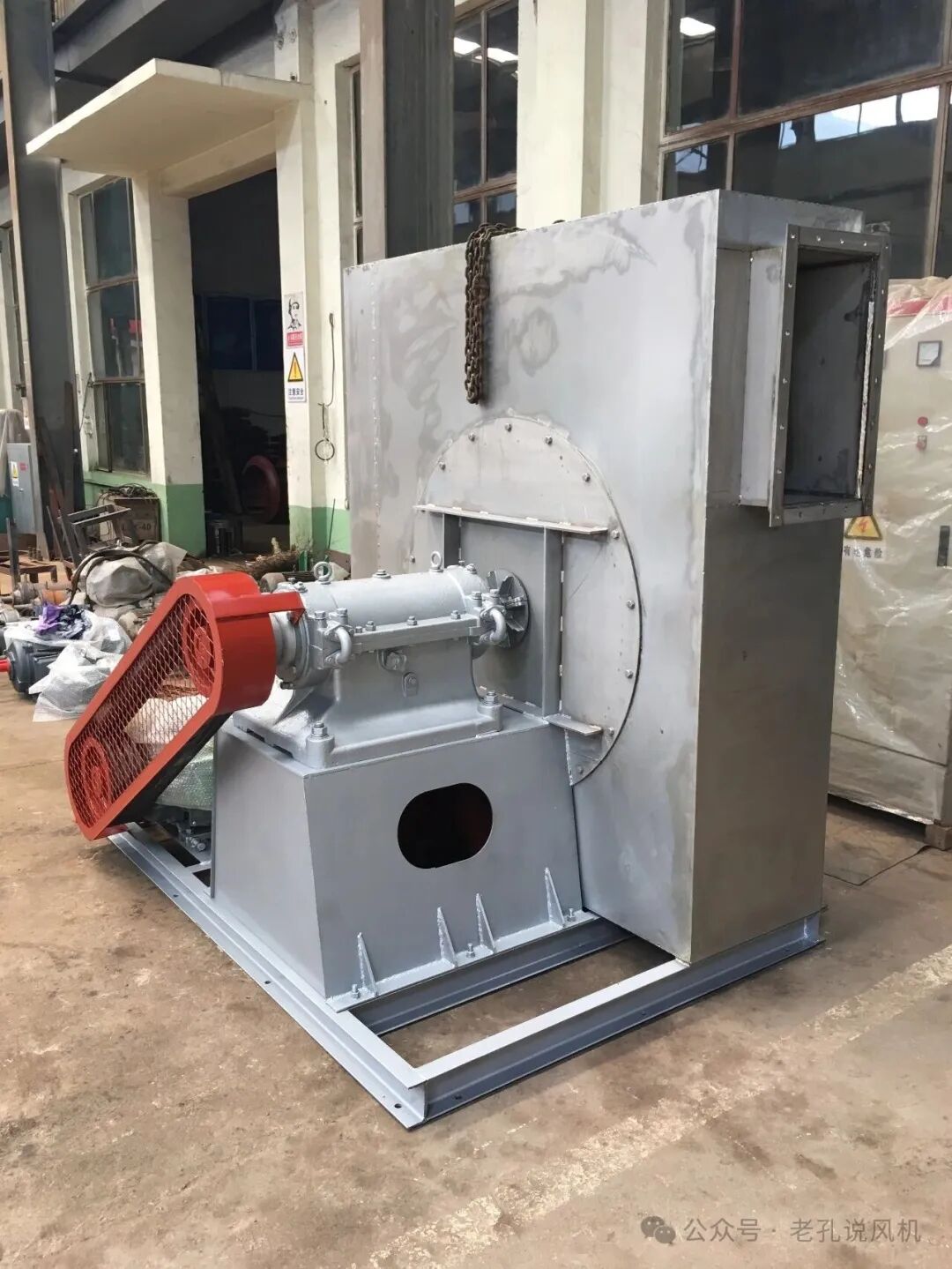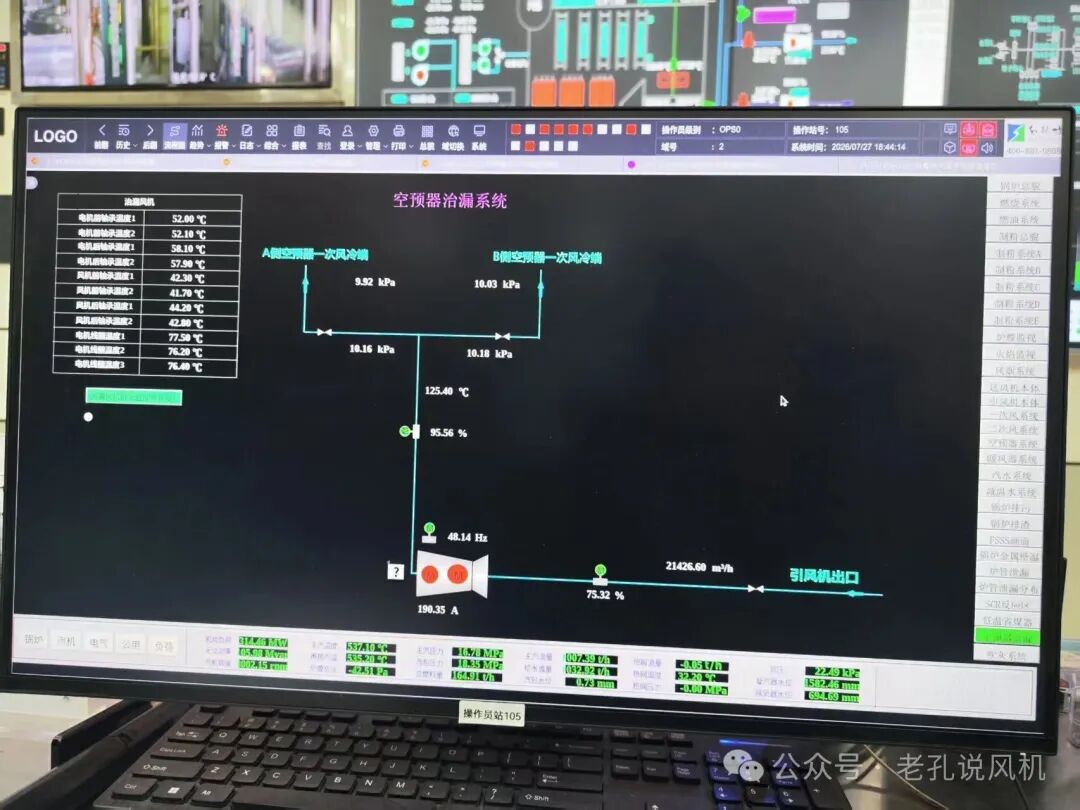


Shaft sealing systems are critical components of industrial centrifugal fans, playing an essential role in ensuring safe, reliable, and efficient operation.
Depending on operating temperature, pressure, gas composition, corrosiveness, dust concentration, and allowable leakage rate, different sealing arrangements can be selected to minimize process gas leakage, prevent ambient air ingress, and improve overall equipment reliability.
The following eight sealing methods are widely used in industrial centrifugal fans and related rotating equipment.
1. Packing Seal (Gland Packing Seal)
Packing seals use sealing materials such as graphite or flexible graphite packing to restrict gas leakage through controlled contact between the packing rings and the shaft sleeve.
This sealing method features simple construction, relatively low cost, and convenient maintenance. It is suitable for general industrial gas applications and certain high-temperature operating conditions.
However, due to friction and wear, periodic inspection, packing adjustment, or replacement may be required.
2. Labyrinth Seal
Labyrinth seals use a series of narrow, tortuous clearance passages to create flow resistance and reduce gas leakage along the rotating shaft.
Their main advantages include minimal friction, low wear, and good adaptability to elevated operating temperatures.
Labyrinth seals are widely used in boiler induced draft fans, high-temperature flue gas fans, and other industrial centrifugal fan applications.
As a non-contact sealing solution, a conventional labyrinth seal does not provide absolute gas-tightness.
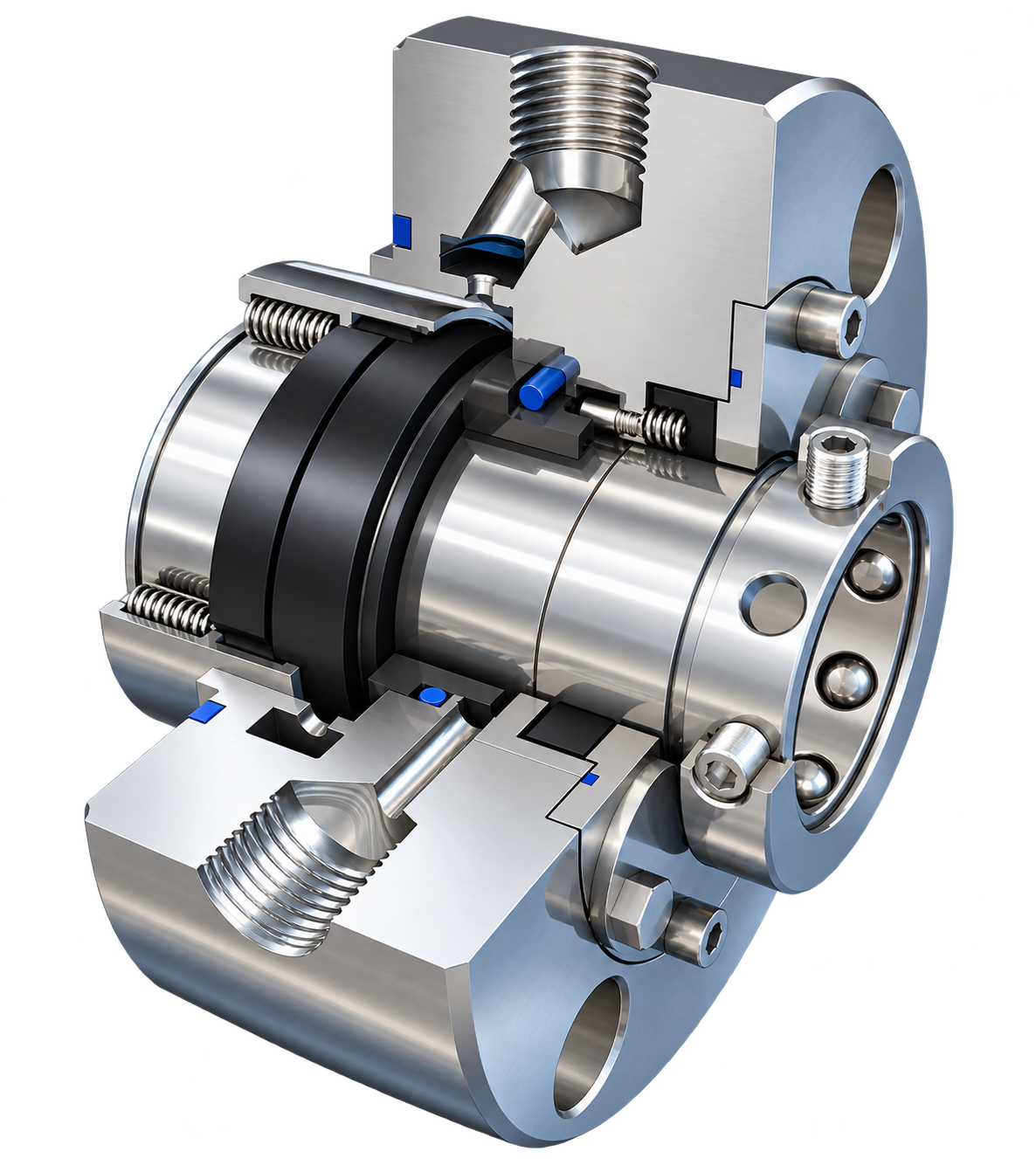
3. Mechanical Seal
Mechanical seals control leakage through precisely engineered sealing faces between rotating and stationary seal rings.
They offer excellent leakage control and are suitable for applications involving toxic, flammable, corrosive, or other hazardous process gases.
Depending on operating conditions and leakage requirements, single mechanical seals or dual mechanical seal arrangements may be used.
Mechanical sealing systems require appropriate consideration of shaft vibration, temperature, seal face materials, and auxiliary sealing arrangements.
4. Carbon Ring Seal
Carbon ring seals use carbon or graphite sealing rings positioned around the rotating shaft to restrict gas leakage.
The sealing elements provide self-lubricating properties, good temperature resistance, and a degree of wear compensation.
Carbon ring seals are suitable for certain high-temperature gas, steam, and specialized process gas applications.
Their sealing performance depends on the operating pressure differential, shaft condition, seal configuration, and wear characteristics.
5. Radial Lip Seal (Oil Seal)
Radial lip seals use a flexible sealing lip that maintains contact with the rotating shaft surface to retain lubricants or restrict the passage of other fluids.
They feature compact construction, straightforward installation, and relatively low manufacturing costs.
In industrial centrifugal fans, radial lip seals are primarily used in bearing housings, lubrication systems, and auxiliary sealing arrangements operating under relatively moderate temperatures and pressures.
They are generally not suitable as the primary shaft seal for high-temperature or hazardous process gases.
6. Nitrogen Purge Seal
Nitrogen purge sealing systems introduce nitrogen into a designated shaft sealing chamber at a controlled pressure to establish a protective gas barrier.
This arrangement helps minimize process gas leakage to the atmosphere and prevents ambient air from entering the fan casing.
Nitrogen purge seals are particularly suitable for applications involving flammable, oxygen-sensitive, toxic, or other specialized process gases.
They are commonly integrated with labyrinth seals, carbon ring seals, or other sealing arrangements to improve overall sealing performance.
Reliable operation requires a stable nitrogen supply and appropriate pressure differential control.
7. Air Purge Seal
Air purge sealing systems introduce a controlled supply of air into the shaft sealing region to establish a protective airflow barrier.
This arrangement can reduce process gas leakage and help prevent dust or particulate matter from entering critical sealing areas.
Air purge seals are commonly applied in high-temperature flue gas handling, dust-laden gas systems, and general industrial ventilation applications where the introduction of air into the process is acceptable.
They are not recommended for oxygen-sensitive or potentially explosive gas systems unless specifically engineered and validated for those conditions.
8. Combined Sealing System
Combined sealing systems integrate two or more sealing technologies, such as labyrinth seals, packing seals, carbon ring seals, mechanical seals, and gas purge arrangements.
These systems are engineered to meet demanding operating requirements involving elevated temperatures, high dust concentrations, corrosive gases, or stringent leakage limitations.
By combining complementary sealing mechanisms, these arrangements can improve sealing effectiveness, operational reliability, and adaptability to challenging industrial environments.
Selection of Appropriate Shaft Sealing Systems
The selection of a suitable shaft sealing arrangement should be based on a comprehensive evaluation of process gas properties, operating temperature, working pressure, shaft rotational speed, and allowable leakage rate.
For high-temperature centrifugal fans, labyrinth seals and high-temperature packing seals are commonly considered.
For corrosive or hazardous gas handling applications, mechanical seals manufactured from compatible materials, nitrogen purge seals, or combined sealing systems may be required.
For dust-laden and abrasive gas applications, labyrinth seals combined with appropriate purge arrangements can help protect the shaft sealing area and reduce particulate ingress.
For applications requiring extremely low leakage or zero fugitive emissions, specially engineered sealing systems should be selected and validated through appropriate leakage testing.
Conclusion
Proper shaft sealing design is essential for minimizing gas leakage, enhancing operational safety, improving equipment reliability, and extending the service life of industrial centrifugal fans.
A well-engineered sealing solution must be tailored to the specific process conditions and performance requirements of each application.